
How to combine Ganvié, Ouidah and Abomey in one trip. Detailed 4-5 day itinerary through these three major Benin destinations. Logistics, accommodation and practical advice.
You have three names in mind before you travel to Benin: Ganvié, Ouidah and Abomey. Each tells a very different story. The stilt village speaks of ingenuity and survival on the water. Ouidah holds the memory of the slave trade. Abomey embodies the power of the Dahomey kingdom. Bringing them together in one trip is not just possible — it is the best way to understand Benin in depth.
A well-planned Ganvié Ouidah Abomey itinerary lets you experience all three sites without rushing. Four to five days is enough, with overnight stays to avoid exhausting round trips from Cotonou. Here is the ideal circuit, tested by our travellers.
Why these three destinations belong together
 Ganvié, Ouidah and Abomey are not interchangeable sites. Each provides a piece of the Beninese puzzle that the others cannot supply.
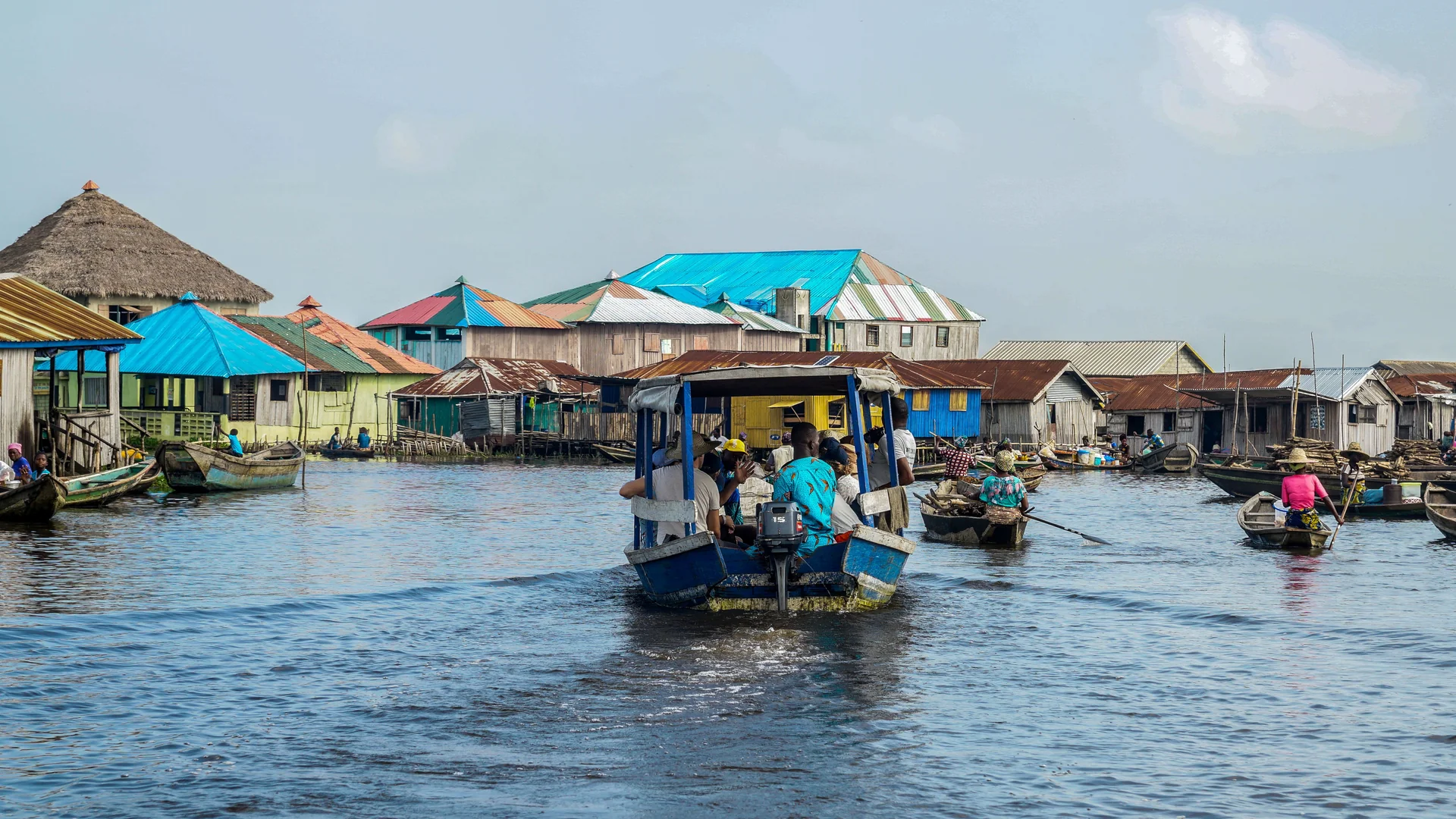
Ganvié is Africa's largest stilt village, a community of 30,000 people built on pilings in the middle of Lake Nokoué. The Tofinu people fled Dahomean raids in the 17th century by taking refuge on the water, where their pursuers could not follow for spiritual reasons. It is a lesson in adaptation and resistance.
Ouidah is the birthplace of the memory of the slave trade in Benin. The Slave Route, the Door of No Return and the Python Temple offer three facets of the history of the Slave Coast. The town itself blends Vodoun, Christian and Brazilian influences into a unique architecture and culture — our Ouidah guide covers every site in detail.
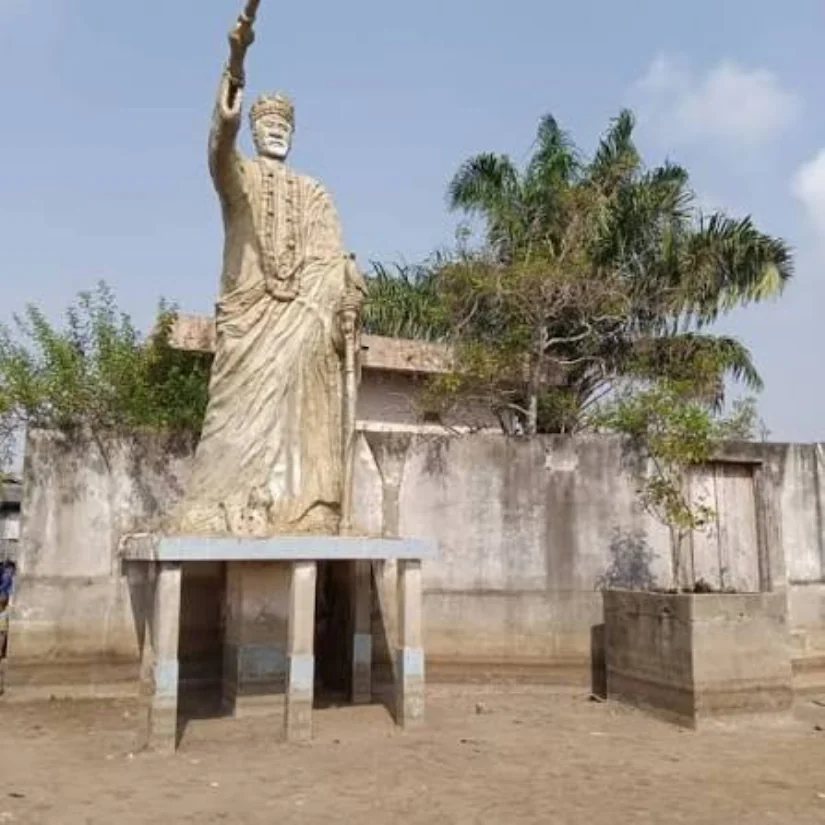
Abomey is home to the Royal Palaces of the Danhomè kingdom, a UNESCO World Heritage site. The bas-reliefs on the palace walls tell the story of the twelve kings who reigned from the 17th to the 19th century — our Abomey guide helps you plan your visit.
Together, these three sites offer a complete panorama of the history, culture and landscapes of southern Benin. One day per site, with travel nights, sets the right pace.
Day-by-day itinerary
Day 1: Arrival and Ganvié (overnight on the lake)
Arrive in Cotonou in the morning. The trip to Ganvié takes about 45 minutes by car to the Abomey-Calavi jetty, then 30 to 40 minutes by motorised pirogue to the village. You arrive in late morning, ideal for the floating market.
In the afternoon, explore the canals by paddle pirogue, visit the craft centre and meet the residents. The evening is reserved for dinner on the water with sunset over the lake. Spend the night in a stilt-top guesthouse to experience the dawn market the next day.
For details on getting there, our practical guide to visiting Ganvié covers all the logistics.
Day 2: Morning in Ganvié then road to Ouidah (overnight in Ouidah)
Wake up early for the floating market at dawn (4 am to 7 am). Have breakfast on the terrace before leaving Ganvié around 9 am. The drive to Ouidah takes about one hour.
Arrival in Ouidah around 10:30 am. Spend the afternoon on the Slave Route: start at Place Chacha, visit the history museum, the sacred forest and the Door of No Return. Allow two to three hours to cover the 4 km route on foot or by car.
Spend the night in Ouidah. The town offers several charming guesthouses in restored colonial houses.
Day 3: Ouidah in the morning, road to Abomey (overnight in Abomey)
In the morning, visit the Python Temple and the Zinsou Museum, which houses a collection of contemporary African art. Leave for Abomey in the early afternoon. The drive takes about 2.5 hours (110 km).
Arrive in Abomey in the late afternoon. Check into a hotel in town. The evening is free: the Abomey market, more land-based than Ganvié's, stays lively until nightfall.
Day 4: Abomey (overnight in Abomey or return)
Spend the day at the Royal Palaces. The UNESCO-listed site includes two visitable palaces: those of King Ghézo and King Glélé. The painted earth bas-reliefs on the walls depict the battles, beliefs and symbols of each king. Allow two to three hours for the guided tour.
In the afternoon, visit the Abomey Historical Museum and a traditional weaving workshop. If you have energy left, the Abomey market is worth a detour for its textiles and pottery.
Day 5: Return to Cotonou
The return drive from Abomey to Cotonou takes about 2.5 hours (140 km). You arrive in late morning, with time for a final lunch or a visit to the Dantokpa market before your flight.
If you have an extra day, the circuit can be extended to include a second morning in Ouidah or a side trip to Lake Ahémé.
Logistics and transport
The best option for this itinerary is a car with driver. All three sites are accessible by paved roads, but public transport is unreliable. A private driver for five days costs between 150,000 and 250,000 FCFA, depending on the vehicle.
Transport to Ganvié includes a car ride to Abomey-Calavi followed by a pirogue. Budget an extra 10,000 to 15,000 FCFA for the round-trip boat transfer.
Abomey-Calavi serves as a natural waypoint between Ganvié and Cotonou. The trip from Ganvié to Ouidah passes through Cotonou, which is roughly halfway between the two sites.
Estimated budget for 5 days
Transport (private driver): 200,000 FCFA. Accommodation (4 nights): 80,000-120,000 FCFA. Meals: 50,000-70,000 FCFA. Entry fees and guides: 30,000 FCFA. Total estimated: 360,000-420,000 FCFA per person (excluding flights). These are indicative prices and may vary by season.
What makes each site irreplaceable
Before you plan the route, it is worth understanding what each stop does that the others cannot.
Ganvié provides lived experience. The stilt village is not a reconstruction or a museum. You arrive by pirogue and you are immediately inside someone's daily life. The morning market, the children paddling to school, the fishermen returning at dawn — these are not performances. Ganvié is the only site in this circuit where the culture you came to understand is active around you at every moment. That immediacy is something no palace visit or historical museum can replicate.
Ouidah provides historical weight. The Slave Route is one of the most carefully documented memorial sites in West Africa. Walking the four kilometers from the city center to the Door of No Return — the spot where millions of captives were embarked — is one of those experiences that leaves a physical trace in the body, not just the mind. The Python Temple, the Zinsou Museum, the Casa del Brasil: these add layers of cultural syncretism (Vodoun, Catholic, Afro-Brazilian) that are specific to Ouidah and cannot be found in simplified form elsewhere.
Abomey provides political depth. The Royal Palaces tell the story of the most powerful precolonial state in this part of West Africa. The bas-reliefs function as an illustrated history, each motif readable by those who know the code. Understanding the Dahomey kingdom — its military power, its alliance with European slave traders, its eventual fall to French colonial forces — is necessary context for understanding the broader history of Benin and of the Transatlantic slave trade. Without Abomey, the circuit is incomplete.
When to do this circuit
The best time for this itinerary runs from November to March. Temperatures are mildest, roads are dry and afternoon storms are rare. Sites are pleasant to explore on foot, especially the 4 km Slave Route in Ouidah.
From July to October, the rainy season makes travel longer and visits less comfortable. Ganvié remains accessible, but the palace terraces in Abomey become slippery.
Avoid major local holiday periods (Christmas, New Year, end-of-year holidays) when accommodation is more expensive and sites are busier.
Recommended accommodation by stop
In Ganvié, sleep on the water in a stilt-top guesthouse to catch the dawn market. See our accommodation guide for Ganvié for recommendations.
In Ouidah, choose a guesthouse in the town centre, close to the Slave Route and the museum. Several are housed in restored colonial homes with character.
In Abomey, pick a hotel near the Royal Palaces so you can walk or drive there in minutes. Options are more limited than in Ouidah, but two or three places offer good value.
Conclusion
With a responsible travel approach, combining Ganvié, Ouidah and Abomey in one trip is not a logistical challenge. It comes down to organisation and pace. Four to five days is enough to embrace the diversity of southern Benin without exhausting yourself. Each site deserves its day, and each overnight stay deepens the experience.
Ready to build your itinerary? Check our combined tours and let us handle the transport, accommodation and guides for all three stages.